

With the COVID-19 pandemic raging in Shanghai, Fangcang shelter hospitals have been put into use again to effectively control the situation. Notably, in these Fangcang hospitals, robots are playing an increasingly important role. It is also worth noting that the hydraulic buffers in the robots enable them to work more efficiently.
It is understood that the Shanghai World Expo Fangcang shelter hospital has deployed over 50 sterilization, delivery, and disinfection robots; at the Lingang Fangcang shelter hospital, there are nearly 300 types of various robots; and at the National Exhibition and Convention Center Fangcang shelter hospital, more than 200 intelligent logistics robots and automated guided vehicles are being put into use. After intelligent delivery robots enter the Fangcang hospital, they can quickly solve difficulties for medical staff and workers. Through a combination of radar and multi-sensor technology, they can automatically complete delivery plans, performing the roles of "meal delivery worker," "nurse," "volunteer," and "publicist," providing support and companionship to medical personnel and patients. Moreover, the large-scale, multi-application scenario deployment of logistics service robots inside and outside the cabin has been realized.
Hydraulic buffers are usually installed on mobile robots to improve the stability of the device. As a cushioning material, they can effectively absorb the impact energy generated by collisions, reduce rebound and vibration, ensure transportation stability, prevent transported goods from falling and causing damage to personnel and products, thus playing a protective role.
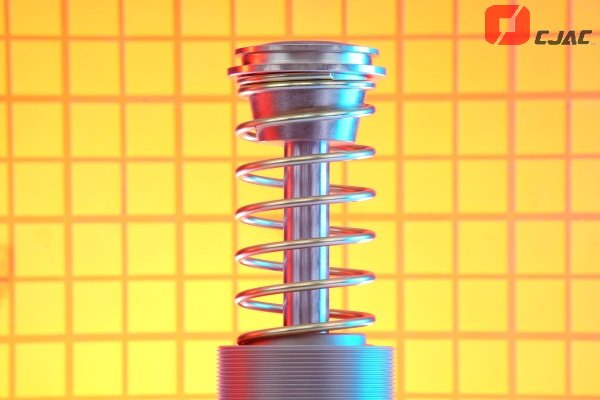
Mobile robot technology is becoming increasingly mature, and product awareness has also improved. In the next few years, the mobile robot industry will enter an application explosion period, especially the "contactless delivery" spawned by the pandemic in recent years, which has provided robots with more application scenarios. Set at the end of the robot's travel, the hydraulic buffer reduces impact, making forward and backward travel more stable. It plays an important role in the motion stability of the robot and is indispensable.